
| ![]() | TSTC Advantage
Drafters and drafting technicians lay the groundwork for everything from skyscrapers to spacecraft with precise technical drawings. The drafter's plans provide the vital details and visual guidelines used in manufacturing, construction and chemical processing. TSTC’s Drafting and Design program offers intensive, industry-specific training to prepare talented, professional drafters for today's industries. During your educational training at TSTC, you will have access to the latest in computer software and hardware to gain valuable experience utilizing today's most-used drafting tool – Computer-Aided Drafting (CAD), systems. What You’ll Do
TSTC’s Star Power Prep
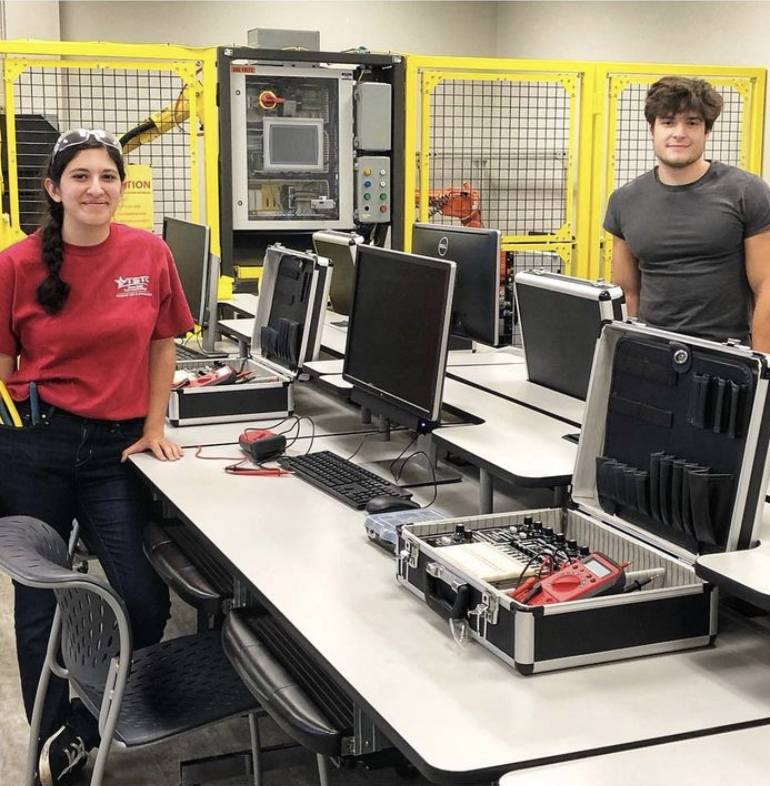
FacultyTSTC’s faculty bring to the college years of professional experience in their respective occupations. Having worked in the field themselves, they know just what employers are seeking and how to equip you with the skills needed to have what it takes. The faculty takes pride in emphasizing one-on-one instruction techniques to give each student the best possible education. TSTC can be of great assistance in meeting your educational needs for the future with specialized, high-quality and economical technical instruction. Job Credibility In addition to extensive classroom theory and concept instruction in the two-year Drafting and Design program, the degree plan provides more than 1,200 hours time-on-task in lab work environments. This intensive curriculum helps students prepare for the demands of real-world industry applications in drafting and design. Job titles that graduates may hold include designer, CAD operator, architectural detailer and project manager. Drafting technicians also hold many important responsibilities. In addition to design, layout and detailing, these professionals often supervise others, work with internal and external customers, and provide material takeoffs and on-site inspections of building projects. Employers want technicians who are detail-oriented, capable of working alone or with a team, positive and professional, precise with measurements, resourceful and productive, as well as focused and self-motivated. And TSTC can get you there! Drafting and Design program graduates can also gain credibility and earning potential by passing the ADDA Drafter Certification Test. Small Class SizeAt TSTC, our classes average 20 students to ensure instructors have plenty of time to work with them individually. Take a tour of our industry-standard labs to see what makes TSTC the leader in technical education. Then discuss our many curriculum plans to find one that best suits your interests. Our goal is to challenge you to thoroughly expand your knowledge and skills through a small class setting so you can begin a career in high technology. Hands-on LearningCompared to other colleges, TSTC students spend a lot less time in the classroom and much more time in work settings, operating the instruments they will use in their respective fields. Students are engaged more than 60 percent of their time in performing the actual work they will do upon graduation. It’s just one of the many ways TSTC ensures you get the depth of instruction you need to succeed in your Drafting and Design career. Our laboratories feature computer-aided drafting equipment with more than 100 workstations loaded with design software programs such as Pro Engineer Wildfire, AutoCAD, 3D Studio VIZ, AutoDesk Land Development and Architectural Desktop. An open-lab policy allows students convenient schedules to work on projects. Advisory CommitteeTSTC’s strong programs match industry needs, making it easier for graduates to obtain positions when the time comes to move out into the workforce. Only a combined effort by educators and industrial representatives on a continuing basis can ensure that training needs are properly identified and training is updated in conjunction with changing developments and requirements. To assure that these needs are correctly identified, it is imperative that representatives of the industries who employ trained personnel assist in their identification. In order to accomplish this goal, technology Advisory Committees are formed to determine these needs. Education by employer design! As industry professionals, our advisory committees assist the college in determining the courses you study, providing a valuable advantage. They can ensure that what we teach matches what industry is seeking. The main function of the Drafting and Design Advisory Committee is to identify the knowledge and skills required for entry-level technicians. The input of the Advisory Committee, which is mandated by the Texas Higher Education Coordinating Board, enables the department to identify training requirements. There are compelling reasons why employers are attracted to TSTC graduates:
|


Drafting is a universal language. Drafting is the language used for communicating in manufacturing, engineering, public utilities, electronics, aerospace and architecture. While the professionals in these industries read and work with the language of drafting, they rely on skilled, knowledgeable drafting technicians to translate.